Beginner’s Guide to Essential Oils
How to Start Using Essential Oils in Everyday Life

Diffusing essential oils is one of the simplest ways beginners start bringing aromatherapy into everyday life.
Across cultures and centuries, people have turned to plants for fragrance, comfort, beauty, and daily living. Essential oils capture the aromatic compounds of plants in a concentrated form, bringing the scent and character of nature into everyday routines.
Essential oils capture the aromatic essence of those plants in concentrated form—bringing the scent and character of nature into your home with just a drop or two.
Today, essential oils are used in homes around the world as part of everyday routines—from diffusing uplifting aromas in the morning to creating calming evening environments.
For beginners, the world of essential oils can feel exciting but also a little overwhelming. There are many oils, many blends, and many ways to use them.
This guide explains the foundations of essential oils and how beginners can start using them with confidence.
Not sure how to actually place your first order?
Follow this simple step-by-step guide → How to Order Young Living® (USA & International)
In This Guide
What Are Essential Oils?

Citrus oils bring a bright, fresh aroma that can instantly shift the atmosphere of a room.
Essential oils are concentrated aromatic extracts obtained from plants.
They are typically produced through processes such as:
• steam distillation
• cold pressing
• resin tapping
These methods capture naturally occurring aromatic compounds from flowers, leaves, bark, roots, citrus peels, and resins.
Those compounds are responsible for the distinctive aroma of each plant.
In nature, plants release these aromatic molecules for a variety of reasons—communication with pollinators, protection from environmental stressors, and interaction with surrounding ecosystems.
When extracted into essential oils, those same aromatic compounds create the recognizable scents associated with lavender fields, citrus groves, evergreen forests, and spice gardens.
Why Essential Oils Are So Potent
One reason essential oils feel so powerful is the amount of plant material required to produce them.
Essential oils are highly concentrated plant extracts obtained through distillation or cold pressing. Because they are so concentrated, even a single drop can contain the aromatic compounds from a significant amount of plant material.
For example:
• more than 75 lemons may be required to produce one 15ml bottle of lemon essential oil
• approximately one pound of peppermint leaves may be distilled to produce one 15ml bottle of peppermint essential oil

This concentration is part of what makes essential oils fascinating—and why it is important to use them thoughtfully.
The Science of Aroma and the Brain
One of the most interesting aspects of essential oils is how aroma interacts with the brain.
When you inhale a scent, aromatic molecules travel through the nasal cavity and stimulate the olfactory system. This system connects directly to the limbic system, a region of the brain associated with:
• memory
• emotions
• motivation
• behavioral responses
This connection helps explain why certain aromas can instantly trigger memories or emotional responses.
The scent of citrus might remind you of a sunny kitchen. The aroma of pine may bring to mind a walk through a forest.
Essential oils allow you to intentionally introduce those natural aromas into your environment, shaping the atmosphere of your home in subtle but meaningful ways.
Three Main Ways to Use Essential Oils
Essential oils are versatile and can be incorporated into everyday life in several ways.
Three primary methods of use: aromatic, topical, and dietary.*
Aromatic Use
Aromatic use simply means enjoying the scent of essential oils.
This can include:
• diffusing oils into the air
• inhaling aroma from the palms of the hands
• adding oils to bath or shower steam
Diffusing essential oils is one of the most popular ways beginners start using them.
A diffuser disperses a fine mist of water and essential oils into the air, allowing the aroma to gently fill a room.
Many people enjoy diffusing oils:
• during morning routines
• while working or studying
• during evening relaxation
Many people enjoy diffusing essential oils throughout the home to create different atmospheres during the year.
Seasonal diffuser blends can be a simple way to refresh a space and bring the aroma of plants into everyday routines.

Even a quiet sunset moment can become a small aromatherapy ritual.
Topical Use
Essential oils can also be applied to the skin when used appropriately.
Some common topical uses include:
• adding a drop or two to lotion or moisturizer
• using diluted oils during massage
• applying to pulse points such as wrists or neck
Because essential oils are concentrated, they are often diluted with a carrier oil before applying to the skin.
Carrier oils are neutral plant oils that help disperse essential oils across the skin.
Examples include:
• coconut oil
• almond oil
• jojoba oil
• vegetable oil blends
Dietary Use: Cooking with Vitality™ Essential Oils
Young Living® essential oils labeled Vitality™ are specifically intended for dietary use.*
These oils can be used to naturally flavor foods and beverages such as::
• water
• tea
• smoothies
• dressings and marinades
• soups and other recipes
• soups and other recipes
Because essential oils are highly concentrated, culinary use typically involves one drop or less.
Always follow the directions provided on product labels when using oils in recipes.
*Most essential oils on the market are not intended for internal use.
Young Living® Vitality™ essential oils are produced under the company’s Seed to Seal® quality commitment, which includes careful sourcing, testing, and production standards.
Oils labeled Vitality™ are approved by Young Living® for dietary use when used as directed.

Young Living® Vitality™ essential oils can be used in cooking to add concentrated flavor to meals when used properly.
Essential Oil Safety Basics
Because essential oils are concentrated plant extracts, it is important to follow simple safety guidelines.*
These practices help ensure a positive experience.
Read product labels
- Each oil may have specific recommended uses and dilution guidelines.
Avoid sensitive areas
- Essential oils should not be placed directly into the eyes, ear canals, or other sensitive areas.
Use carrier oils when needed
- Diluting oils can help reduce the intensity of topical applications.
Be mindful of sunlight
- Some citrus oils may temporarily increase skin sensitivity to sunlight after topical use.
- Avoid direct sun exposure for up to 12 hours after applying certain citrus oils.
Discontinue use if irritation occurs
- If skin irritation occurs, discontinue use and apply carrier oil to the affected area.
*If you are pregnant, nursing, taking medication, or have a medical condition, consult a qualified health professional prior to use.
Why Essential Oil Quality Matters
Not all essential oils are produced in the same way.
Quality can depend on factors such as:
• plant sourcing
• harvesting practices
• distillation methods
• purity testing
Young Living® refers to its approach to quality as the Seed to Seal® commitment.
This framework emphasizes three pillars:
Sourcing
- Plants are obtained from Young Living farms, partner farms, or carefully selected suppliers.
Science
- Essential oils undergo multiple levels of testing to help verify quality and purity.
Standards
- Production processes follow internal and regulatory quality guidelines throughout cultivation, distillation, and bottling.
Understanding how essential oils are produced can help consumers make informed decisions about the products they choose.

Beginner Essential Oils to Start With
When people first explore essential oils, it helps to start with versatile oils that can be used in many ways.
Some widely used beginner oils include:
Lavender Essential Oil
A floral aroma often associated with relaxing evening environments.
Lemon Essential Oil
A bright citrus scent commonly used in home cleaning routines and diffusers.
Peppermint Essential Oil
Fresh and invigorating with a crisp mint aroma.
Tea Tree Essential Oil
Frequently included in personal care routines.
Frankincense Essential Oil
A warm, resinous aroma often used during reflection or meditation.
These oils blend well with other aromas and are commonly included in beginner collections.
Simple Ways to Use Essential Oils at Home
Incorporating essential oils into daily life does not require complicated routines.
Here are a few beginner ideas.
Morning atmosphere
Diffuse citrus oils such as Lemon or Orange while getting ready for the day.
Evening wind-down
Diffuse lavender or other calming aromas during evening routines.
Linen spray
Combine lavender oil, witch hazel, and water in a spray bottle to refresh bedding.
Bath ritual
Add essential oils to Epsom salts before mixing them into warm bath water.
Kitchen flavor
Small rituals like these can transform everyday moments into more sensory experiences.
A Convenient Way Many Beginners Start
Many people begin exploring essential oils with a starter collection that includes several popular oils and a diffuser.
These collections make it easy to experience different aromas while learning how essential oils can fit naturally into daily routines.
Starter collections often include oils such as lavender, peppermint, and citrus varieties along with a diffuser designed for aromatic use.

A diffuser and a small collection of versatile essential oils are a common starting point for beginners exploring aromatic use at home.
Bringing the Aroma of Nature Into Your Home
One of the most enjoyable aspects of essential oils is how they reconnect us with the natural world.
The aroma of citrus may evoke sun-warmed orchards.
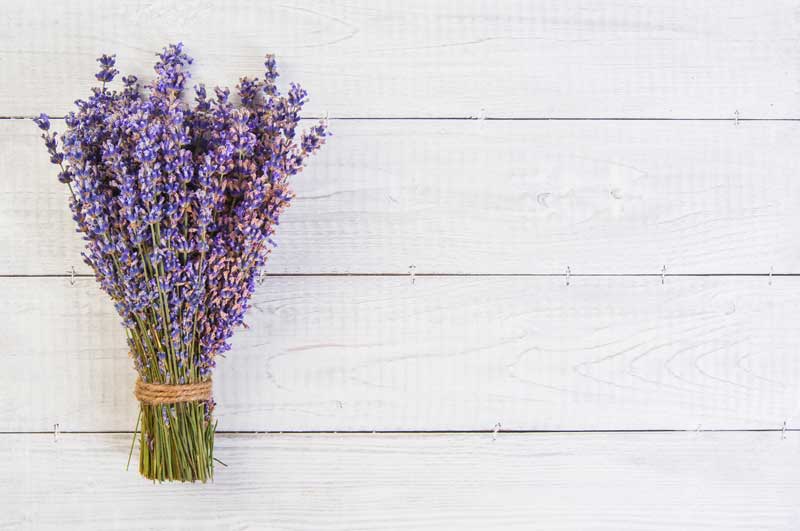
Lavender may recall flowering fields.
Evergreen oils may remind you of forest air.
Even in the middle of a busy modern day, a single drop of essential oil can introduce a sensory connection to nature.
Over time, many people discover favorite aromas that become part of daily rituals—morning energy, evening calm, or creative inspiration.

A few drops in the diffuser can shift the atmosphere of a room and invite calm focus into the day.
Getting Started with Essential Oils
If you're new to essential oils, starting with a small collection of versatile oils and a diffuser can make it easy to begin exploring different ways to use them at home.
Young Living® offers a wide variety of essential oils, blends, and oil-infused products designed for aromatic, topical, and (when labeled Vitality™) dietary use. Offers may vary by country.
New USA customers can receive 10% off their first order when creating a Young Living® account through House of Dawning™.
International first order specials vary, so please check your specific country offers below.
International first order specials vary, so please check your specific country offers below.
Customers who choose to join the Young Living® Loyalty Rewards program in the USA can save 24% and earn points on qualifying purchases which can be redeemed for future Young Living® products.
This allows beginners to start with a few foundational oils and gradually build a collection while continuing to explore different ways to use essential oils in everyday routines.
New to Young Living®?
If you’re new, you’re welcome to explore at your own pace.
When you create a free Young Living® customer account in any country, you may choose to enroll with us:
House of Dawning™ Member/Sponsor ID #31342798
House of Dawning™ offers:
• Curated product guidance
• Seasonal wellness education
• Recipes and everyday use ideas
• Ongoing support — at no extra cost
• Seasonal wellness education
• Recipes and everyday use ideas
• Ongoing support — at no extra cost
There are no purchase requirements or subscriptions to receive the educational and inspirational information shared regularly
Sign up for the free newsletter below.
Sign up for the free newsletter below.
Serving USA & International Friends
Young Living® products are available in many countries worldwide.
Product names, availability, enrollment options, and promotions may vary by region.
Product names, availability, enrollment options, and promotions may vary by region.
If a product link does not match your country, you can shop through your local Young Living® market:
Want More Beginner-Friendly Essential Oil Ideas?
If you're just getting started with essential oils, simple inspiration can make it easier to explore new ways to use them in everyday life.
Join the House of Dawning™ wellness newsletter to receive:
• beginner-friendly essential oil tips
• seasonal diffuser blends
• natural home rituals
• simple kitchen recipes using Vitality™ essential oils
• exclusive wellness guides and resources
✨ Sign up below to receive new ideas and seasonal inspiration.
Disclaimer
These statements have not been evaluated by the Food and Drug Administration.
Young Living products are not intended to diagnose, treat, cure, or prevent any disease.